Ninety years after the Battle of Cable Street, the organisers of its anniversary march erased Jews from the story, then denounced those who objected. Eve Kay writes about why it was important to put the courage and leadership of Jews back into the commemoration.
Back in June Unite's promotion of the 90th anniversary of Cable Street omitted to mention Jews or anti-Semitism anywhere in its account of what the anniversary commemorated.
Although they later corrected this, it sounded an alarm bell. How could an announcement about the anniversary of the greatest victory over fascism by Jews and their allies in the working-class movement of the day forget to mention Jews, the express target of Oswald Mosley's British Union of Fascists, whose core ideology was anti-Semitism?

Jews were being erased from their proudest moment in British history. It didn't bode well for the march itself.
Cable Street Jews
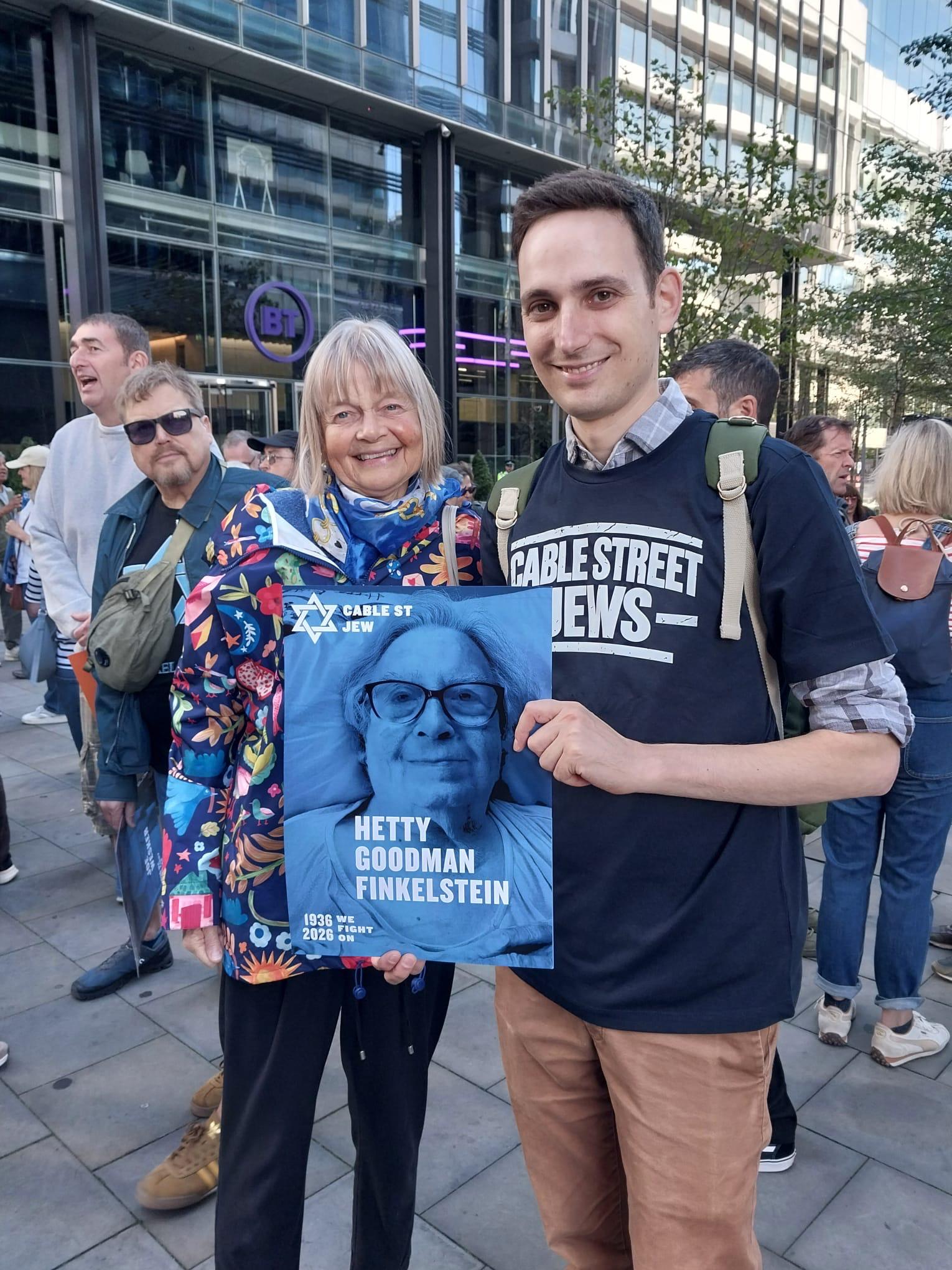
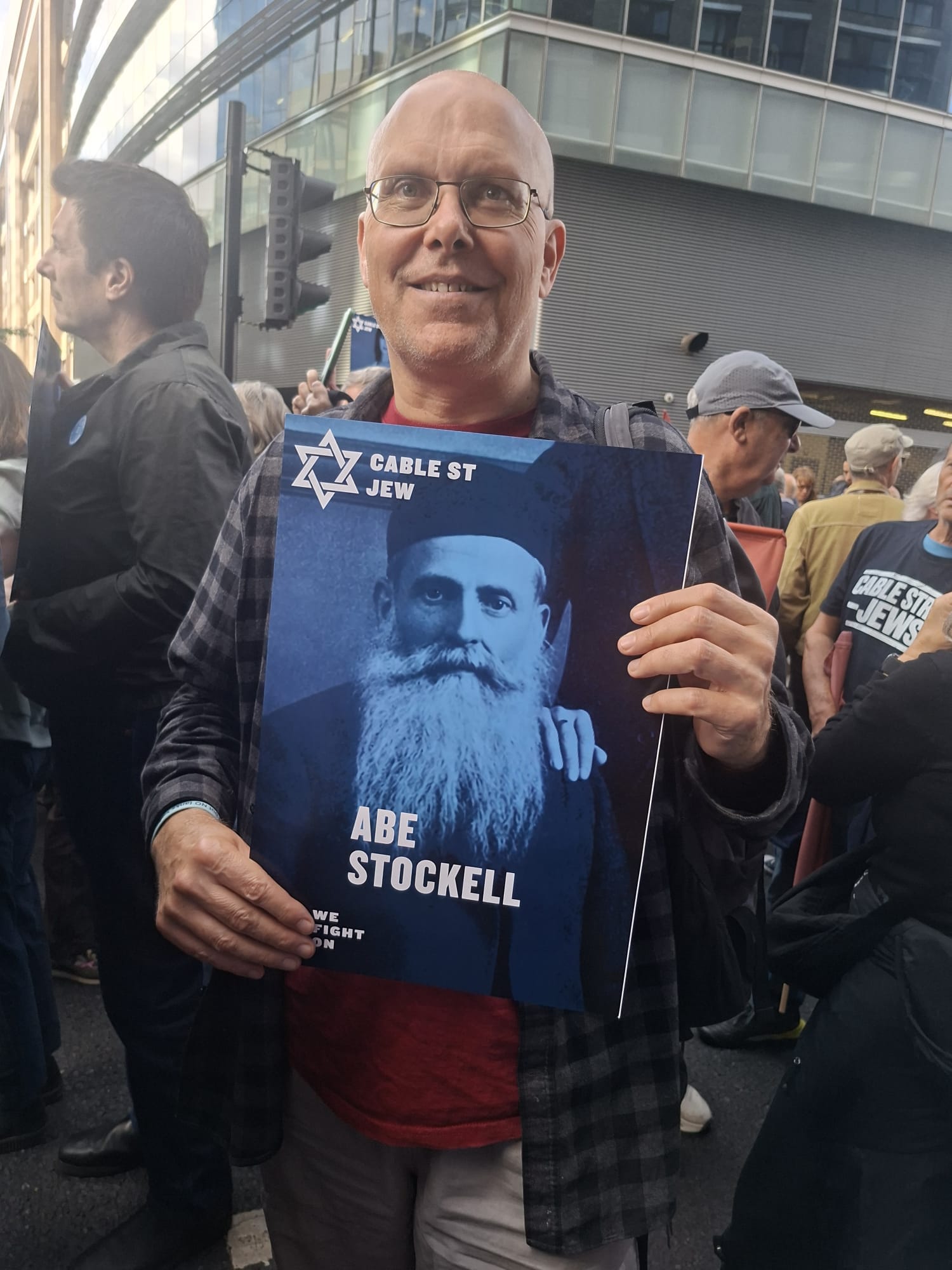
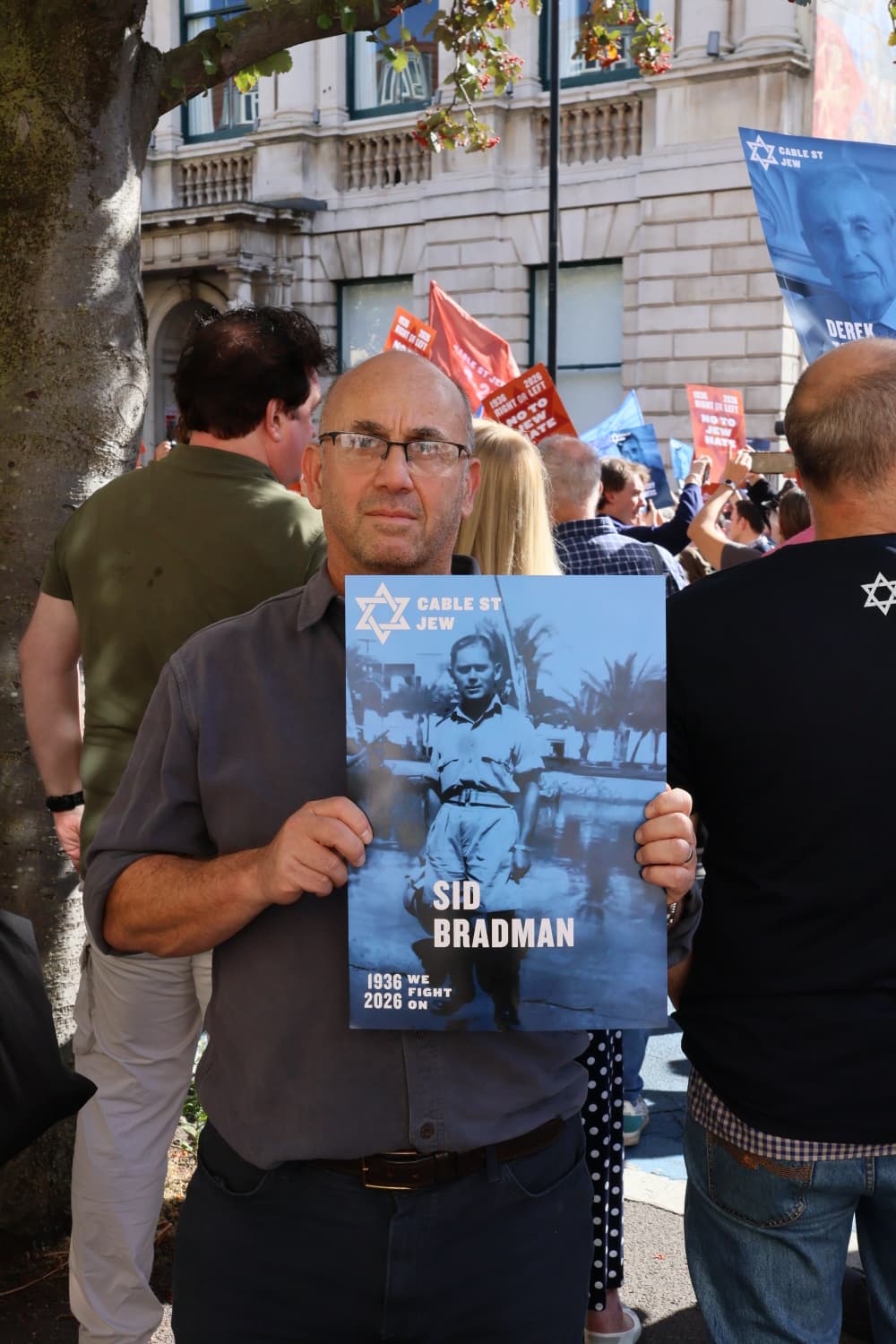
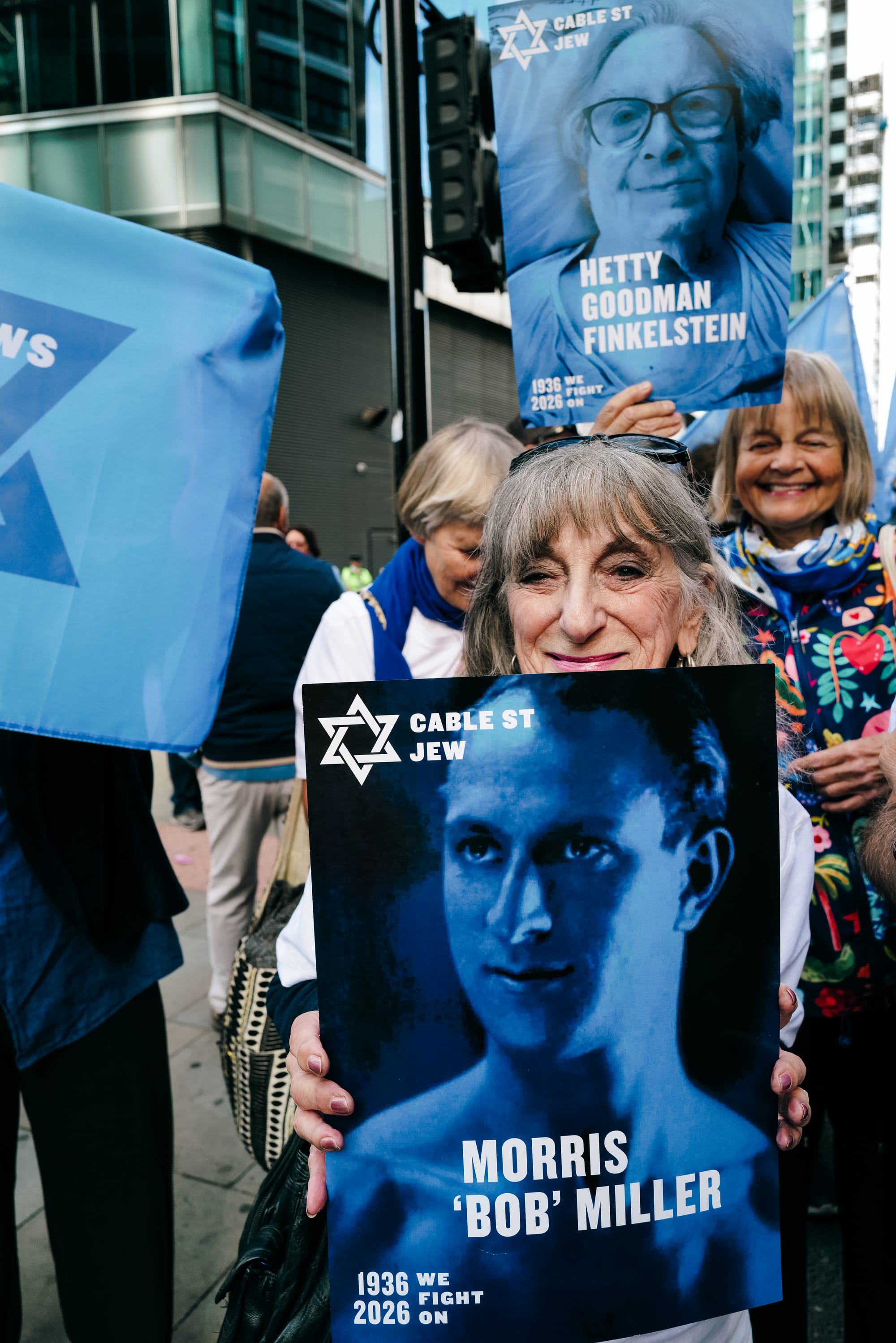
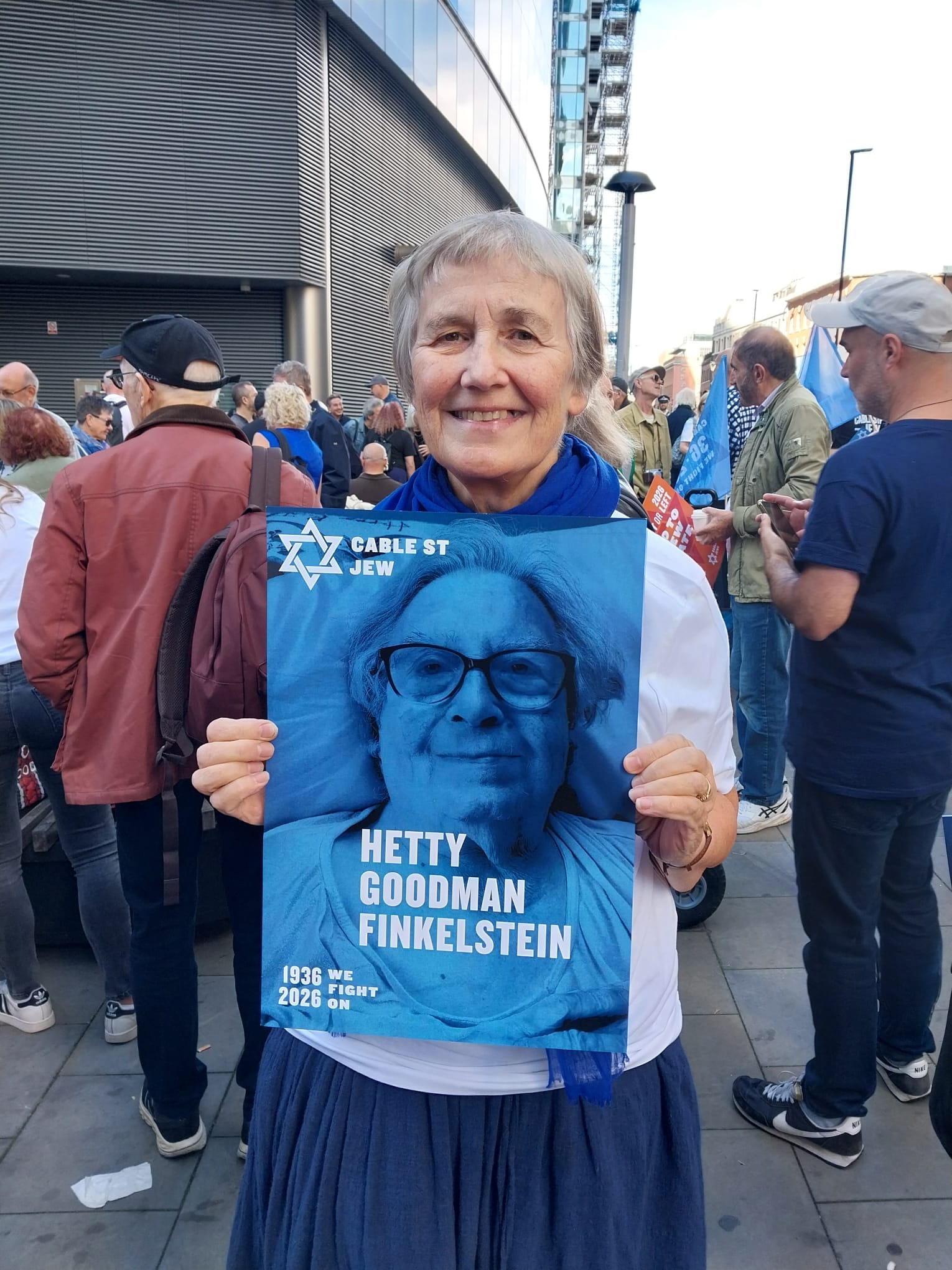
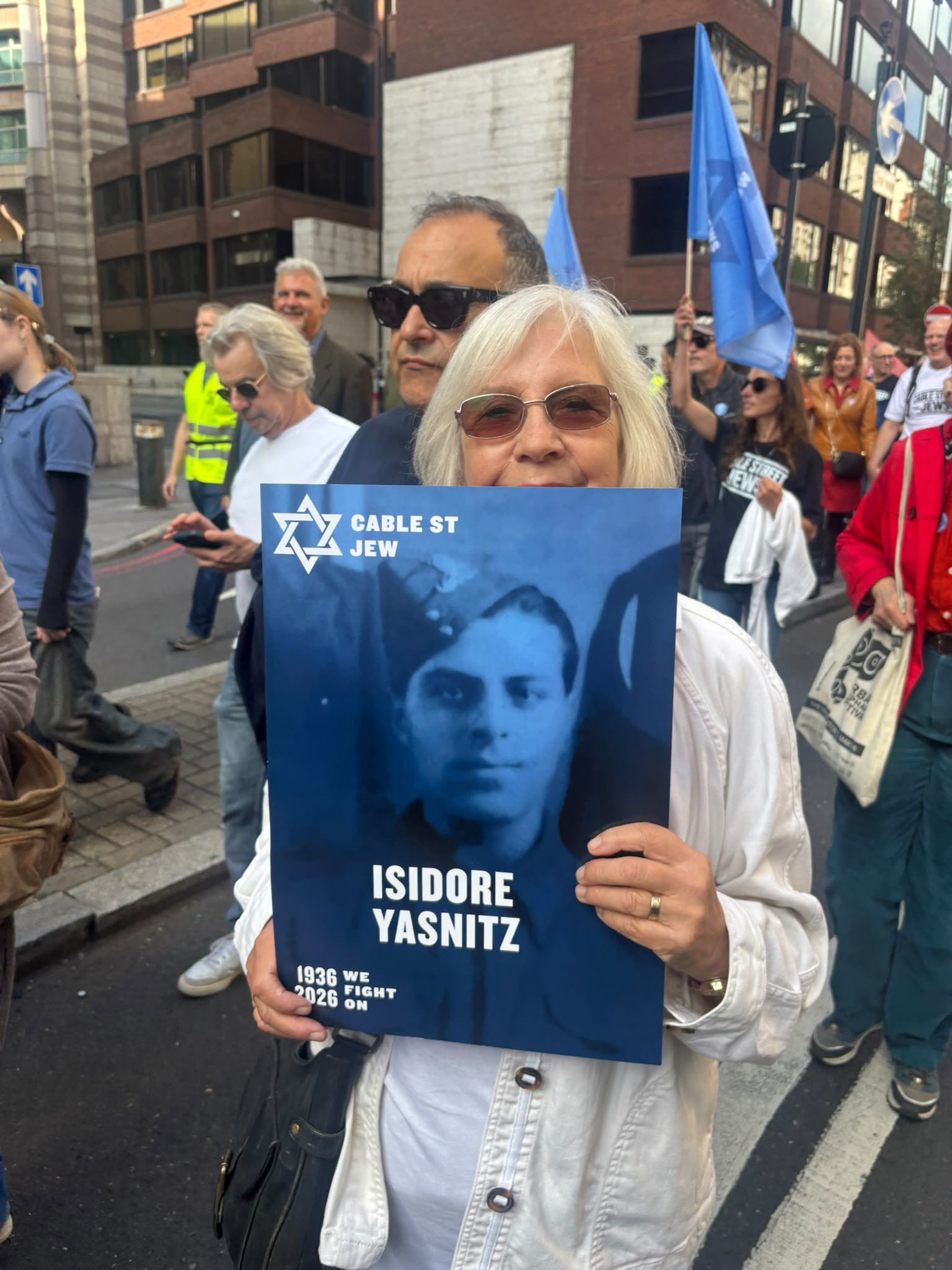
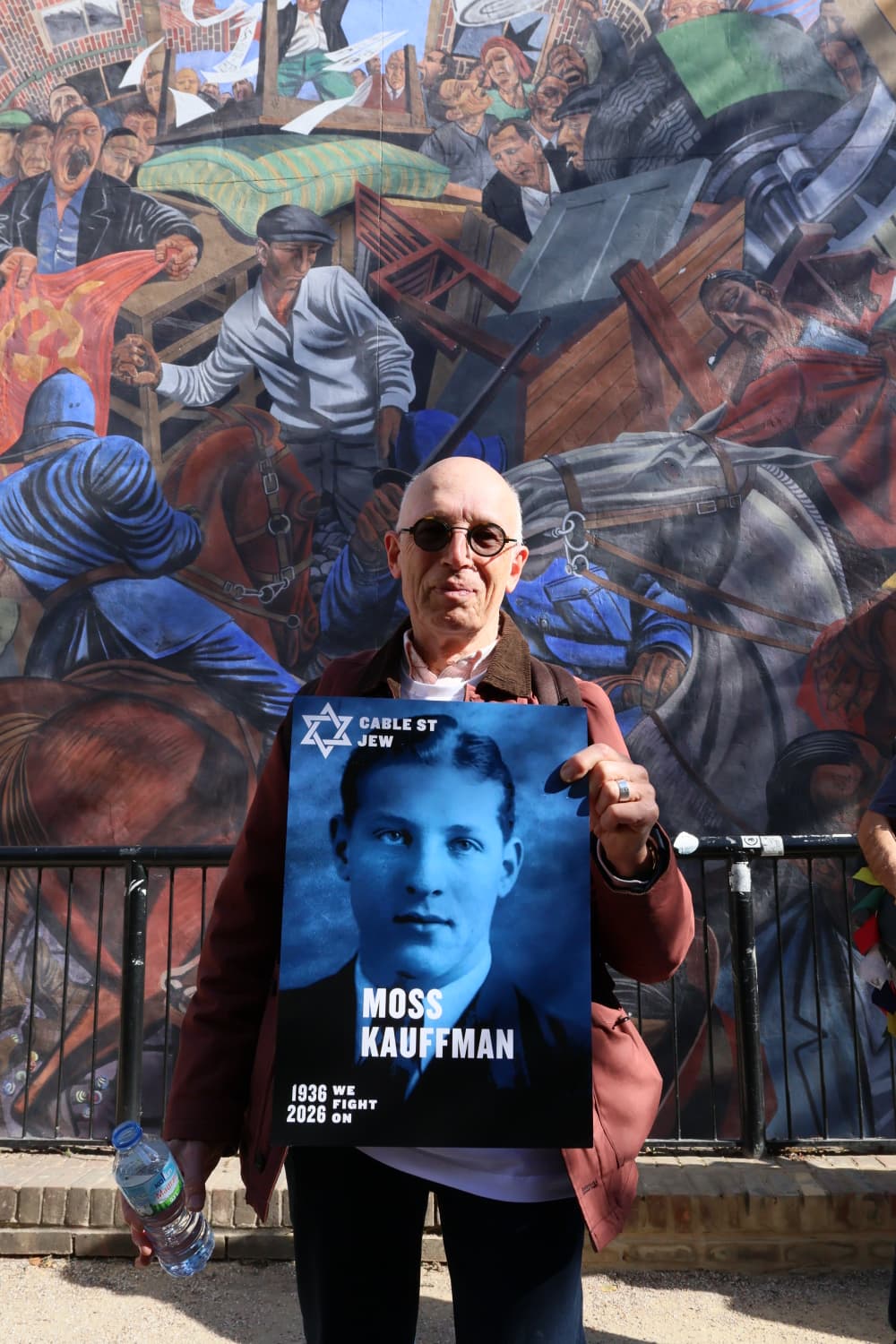
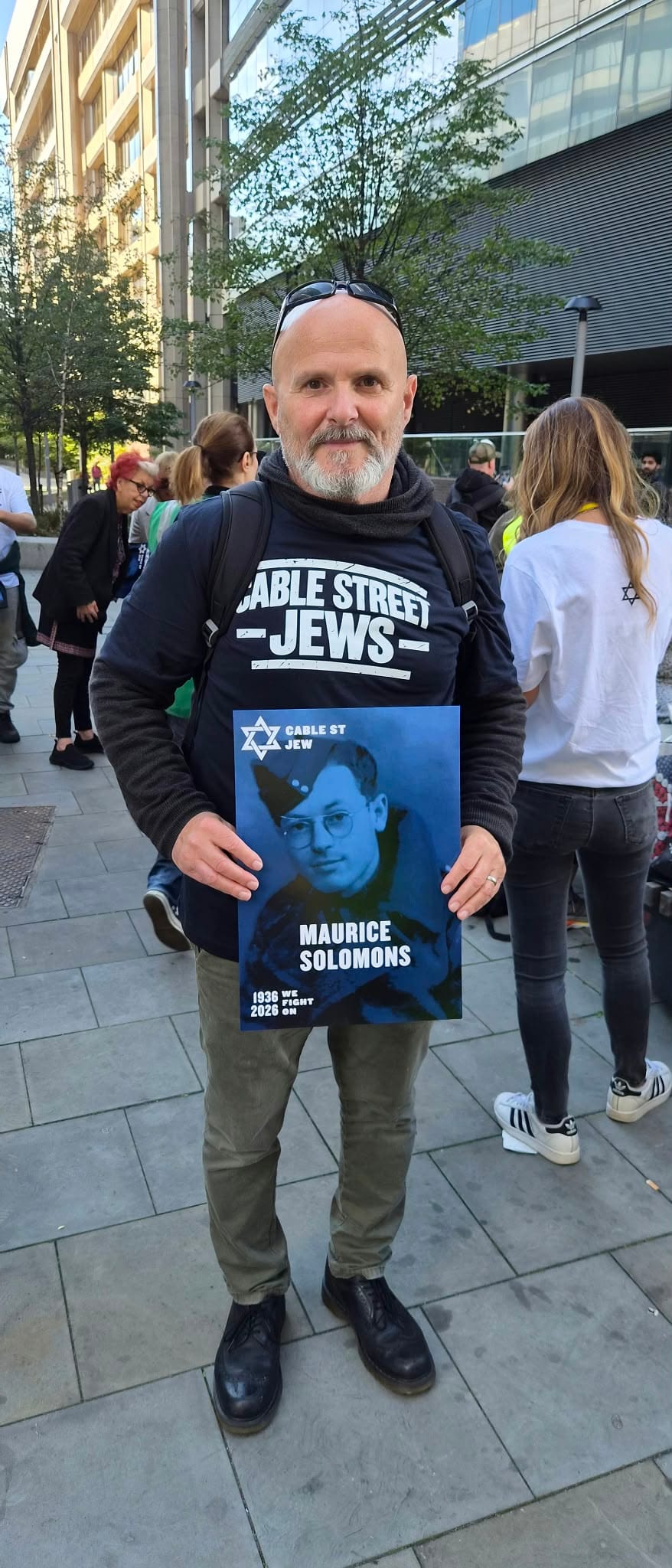
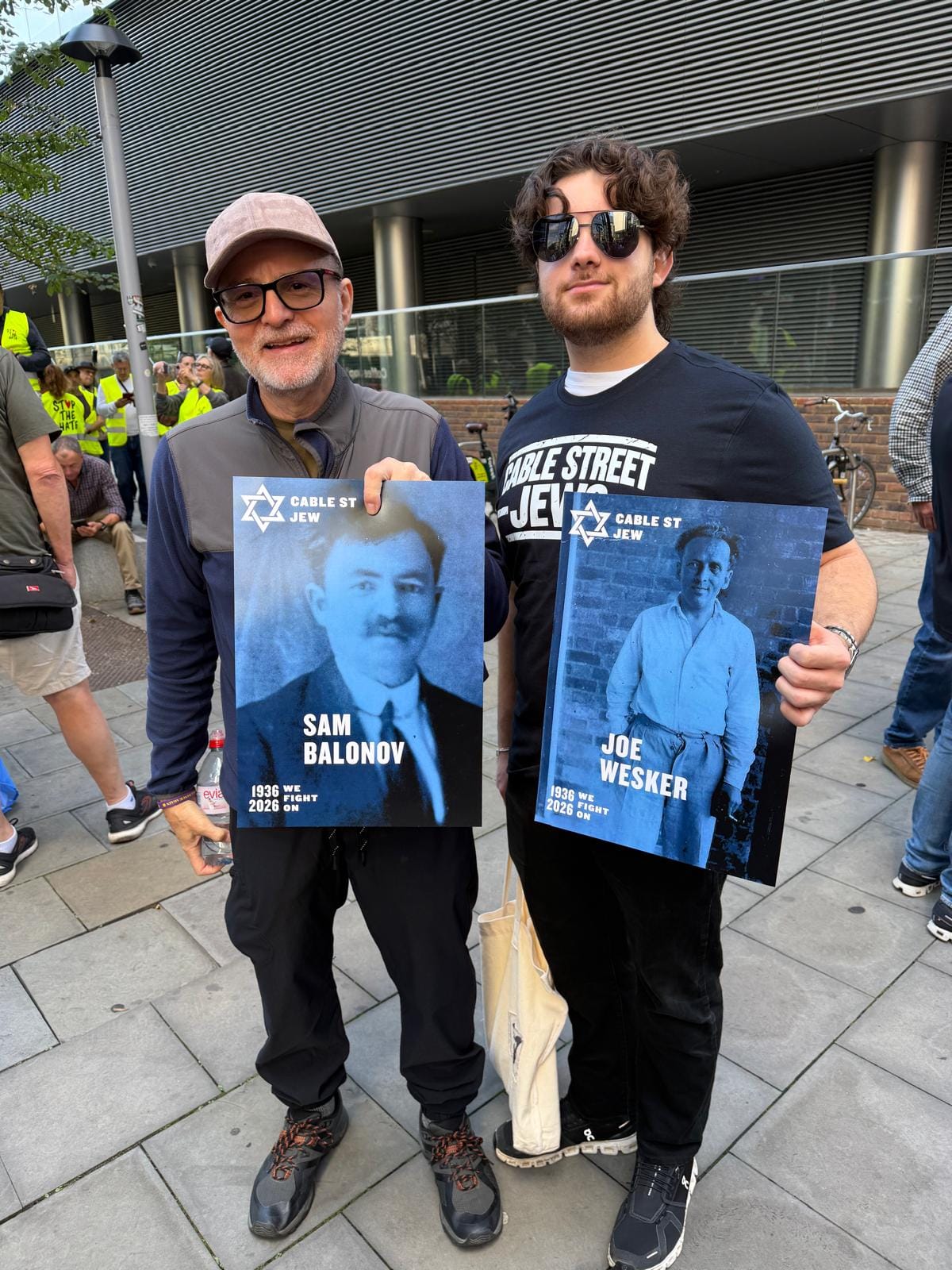
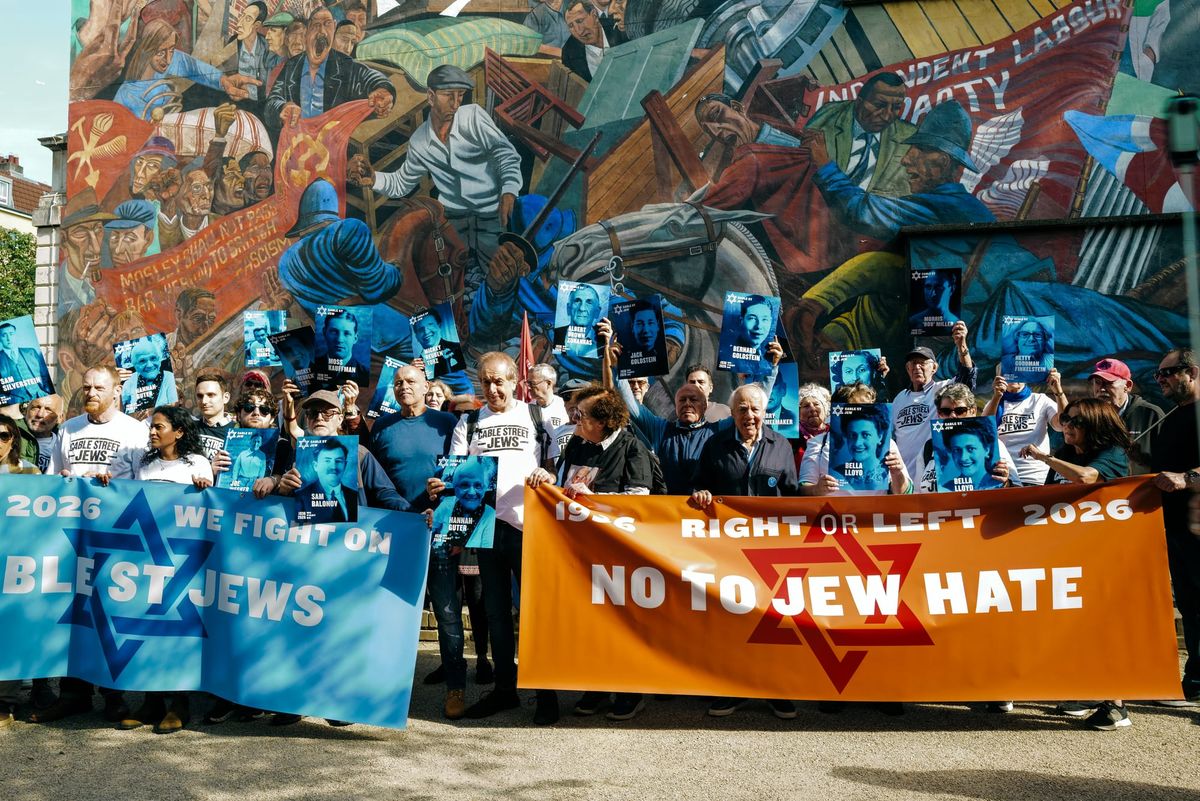
I decided we had to put Jews back in their rightful place at the heart of the Cable Street story by forming Cable Street Jews, a steering group of Jewish friends and activists including Our Fight, Stop the Hate and other allies. We decided to reach out to the Jewish community for pictures of actual Cable Street fighters and to put their names and faces on our placards. We soon collected 55 pictures and informed the organisers we would be attending their march as a contingent.
The organisers eventually gave their response: a statement denouncing Cable Street Jews as "far-right, Israel-advocacy groups".
A modern-day purity test
Our Jewish identity was therefore stolen for a second time: we were not proper Jews. Somehow the official organisers had become arbiters of who were and who were not real Jews! We had been set a modern-day purity test, and we had failed it.
Worse was to come. More posts appeared on Instagram, vilifying us as 'fascists' and promising to resist our attendance on the march. We were being isolated and set up for attack. Yet amongst our number were around 20 relatives of people who fought at Cable Street, as well as 94-year-old Michael Bennett, who as a child was there on the day.
How could a march purporting to be an act of solidarity against anti-Semitism turn into the opposite—one that threatened relatives of those who were actually at Cable Street? And how could we protect our Jewish contingent from the left-wing mob being stirred up to attack us?
Marching apart
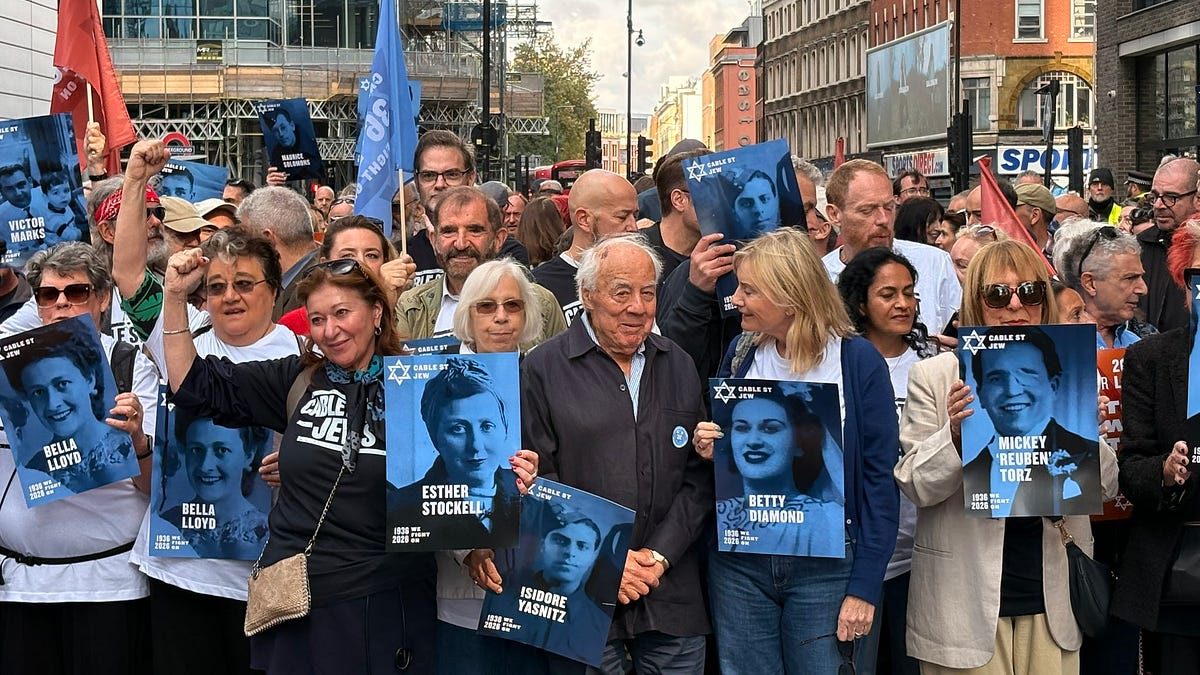
In the end rather than risk violence and harm done to our Cable Street relatives we decided to march separately ahead of the official event. It turned out to be a joyful and emotional experience. On 4 October, 90 years to the day, hundreds of people assembled at Aldgate East tube holding flags and placards bearing the faces of our 55 Jewish heroes. We made our way down Leman Street and up Cable Street to the mural where we held a rally and made speeches. The crowd was addressed by myself and broadcaster Josh Howie.
But the highlight was Cable Street eyewitness Michael Bennett who recalled being hoisted on his father's shoulders exactly 90 years ago on this very same street. He warned his listeners how the Jews of Germany stayed home instead of fighting anti-Semitism, and said that British Jews and allies had to fight back or face a similar fate. It was an important and inspiring message.
And so our goal was reached: we put Jews back into the heart of their history and made anti-Semitism the centre of any fight against fascism.
 ALEX CARSON
The official march
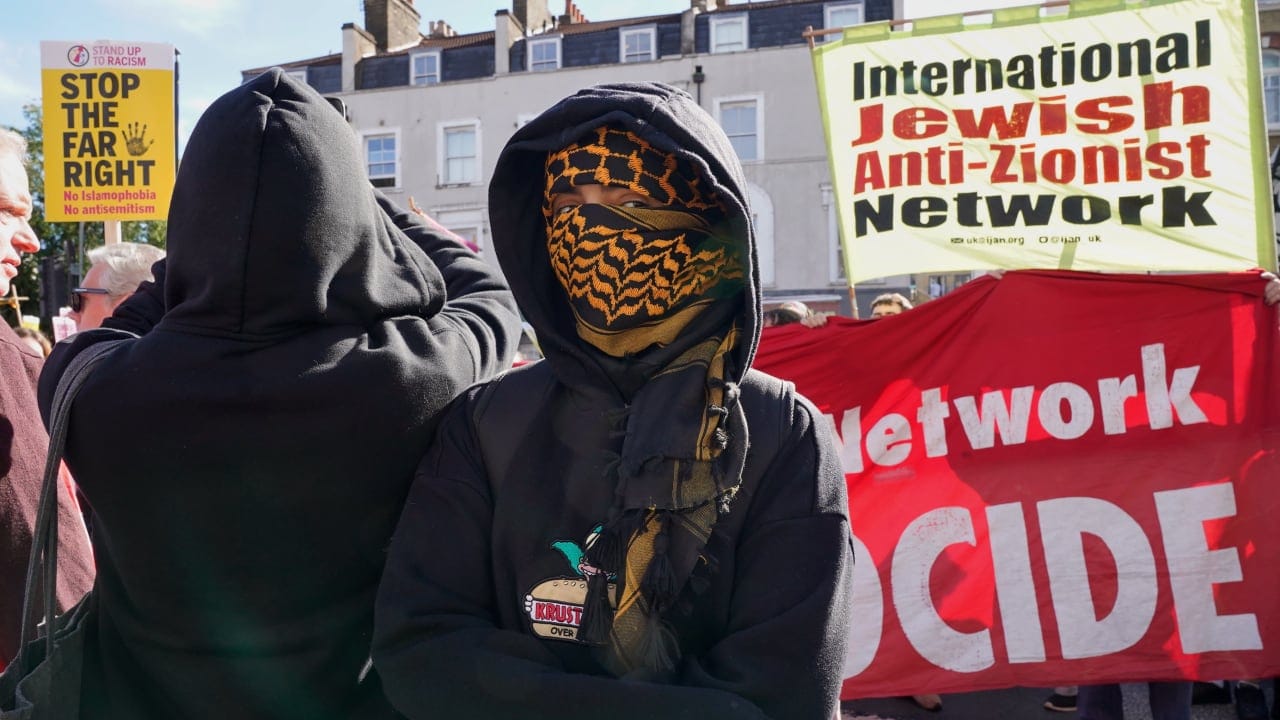
At the official march, crowds masked up in keffiyehs surrounded and shouted at Jews they took for Zionists, including the journalist Nicole Lampert. On a day meant to honour Jews who fought anti-Semitism and fascism, Jews were the ones being targeted. It would seem that Mosley won after all.
 Florit Shoihet

Mosley's anti-Zionism
Ninety years on, the official organisers share another important position with Mosley. Oswald Mosley was an avowed anti-Zionist. He opposed the creation of a Jewish national home in Palestine, saying in an interview with the New York Times in February 1938 that:
The Arabs who have fought the Balfour Declaration for twenty years will gladly wait five more years for a Fascist victory.
In the inverted moral universe of the commemoration organisers and their left acolytes, Jews, and even Cable Street families, were fair game if they didn't sign up to the new Orwellian party line that declares 'Zionism is fascism'.
Zionism represents simply the Jewish movement for self-determination, the democratic idea that like all peoples, Jews have a right to a homeland and Israel has a right to exist.
By calling this aspiration 'fascism', the organisers set Jews up for intimidation and exclusion from the public square. That looks more like fascism to me.
Eve is an award-winning TV producer with over 25 years' experience of making broadcast television. She co-founded Cable Street Jews to prevent Jews being erased from the story of the Battle of Cable Street.
Gallery
The Cable Street Jews event was a powerful and uplifting experience, which truly honoured the memory of the Jews who fought on Cable Street, 90 years ago. Here are just some of the many placards depicting these heroes, held by their relatives.