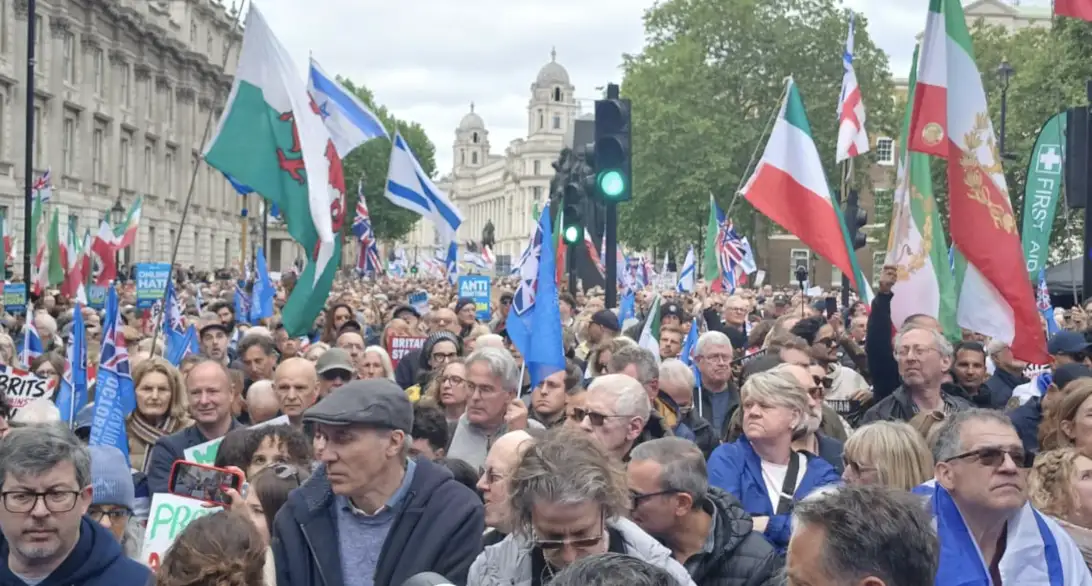
The Blackshirts Return
On the weekend of the anniversary of the Battle for Cable Street, the Green Party will be debating a motion at its conference which resurrects the core bigotries of the Blackshirts, writes Arthur Nobes.
The Battle of Cable Street on 4 October 1936 is rightly remembered as a defining moment in British political and social history.
Jews and their allies put their bodies on the line to block Sir Oswald Mosley's fascist Blackshirts from marching through London's East End, then home to at least 60,000 mostly impoverished Jewish immigrants. In this 90th anniversary year it is more important than ever to defend the authentic legacy of Cable Street.
 David Rosenberg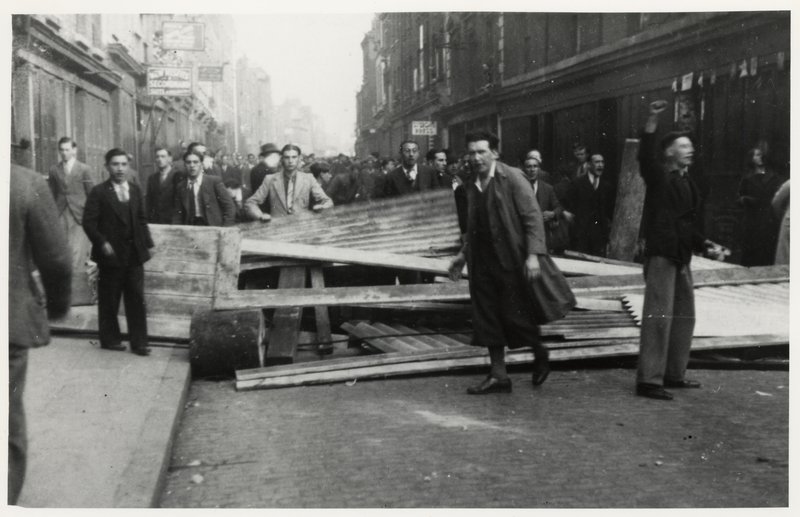
Trade Union Movement
The failures of the Labour Party and much of the trade union leadership in 1936—both of which opposed direct confrontation with the Blackshirts—are well documented.
 Mary Davis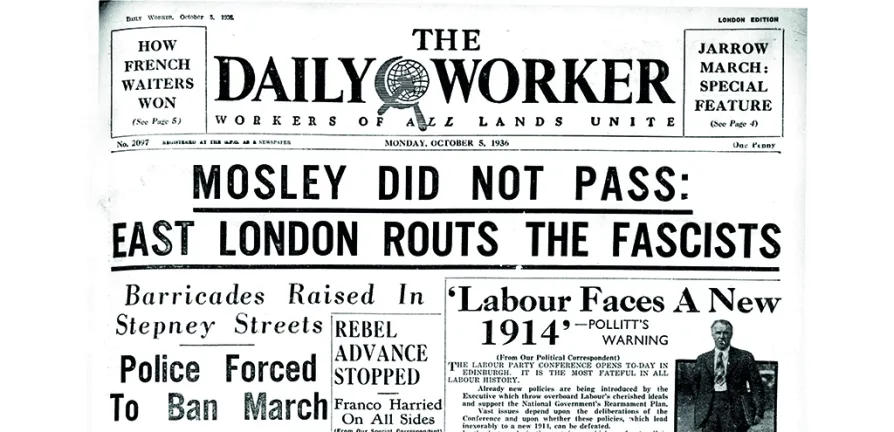
Despite this, tens of thousands of people formed a working-class alliance of Jews, Irish dockers, and leftists occupied Cable Street in Aldgate, chanting "they shall not pass", borrowing the battle's defining slogan from forces fighting fascists in the Spanish Civil War. Records suggest about 175 people were injured and up to 150 arrested.
The lack of leadership ninety years ago has not stopped contemporary Leftist ideologues and the wider labour movement from seeking to stamp their ownership on the fascists' defeat at Cable Street. But the trade union movement's continued failure to understand what the battle represented was illustrated by Unite's original announcement of the anniversary march, which did not even mention the role of the Jewish community.
 Jane Prinsley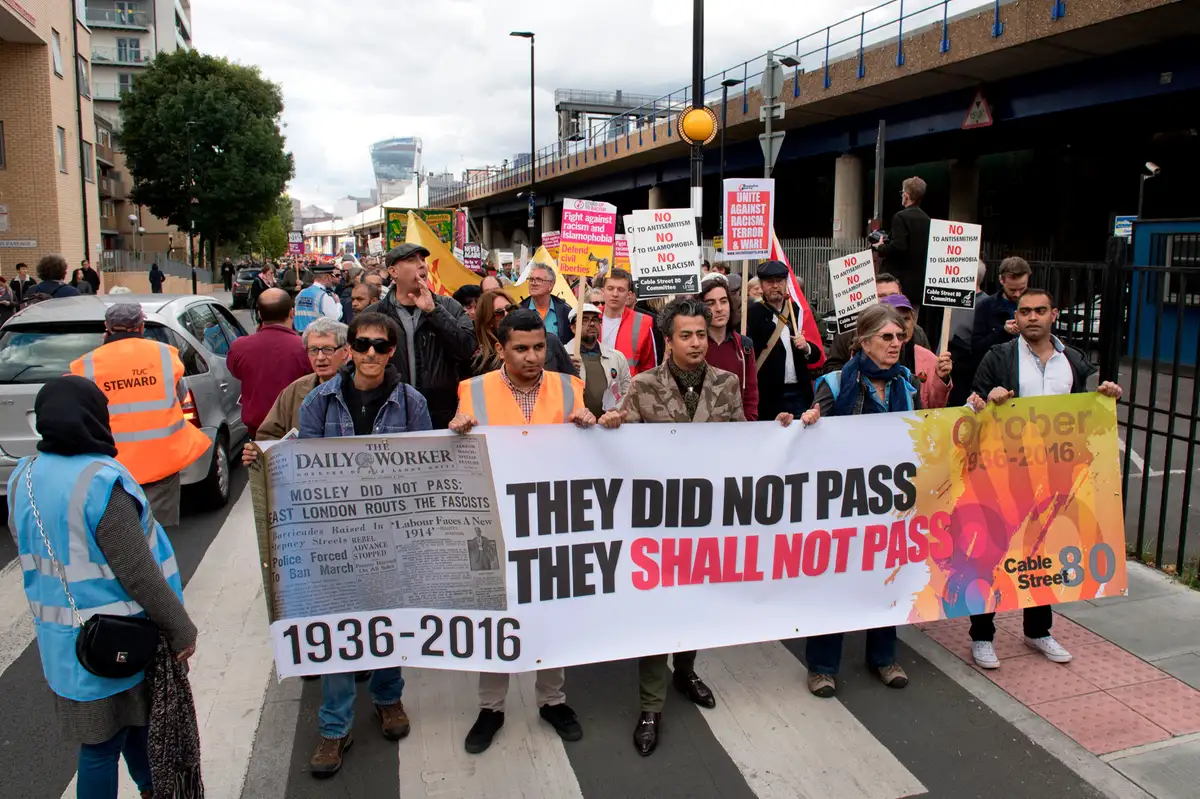
Decisive
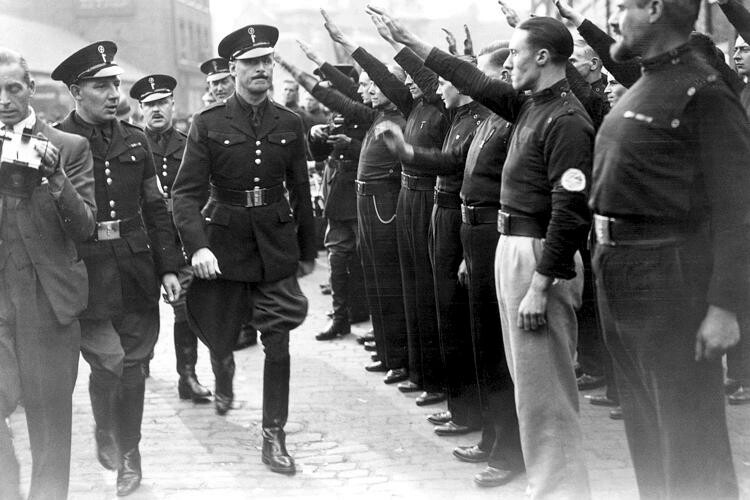
The Battle of Cable Street was a decisive moment in the fight against fascism in Britain, seen by many as the undoing of the Nazi and Benito Mussolini-funded British Union of Fascists (BUF)—an organisation that deliberately sought to inflame hatred towards Jews in its propaganda, blaming them for Britain's industrial and social ills during the 1930s.
"The yelling mob of socialists and communists are paid by the Jews," Mosley thundered to the crowd at a BUF East End rally in 1935, depicting Jewish financiers as controlling political parties, and Jewish businesses as running sweatshops.
 Nick Cohen
But thanks to the show of force at Cable Street, politicians and commentators vowed anti-Semitic rhetoric of this kind would never again be tolerated in British society and that London's Jews would no longer be forced to endure violence and intimidation.
Anti-Semitic Parties Return
Yet this hatred has resurfaced today, and is particularly manifest in Zack Polanski's Green Party. Elected Green councillors have faced allegations of anti-Semitism in their social media posts; other members have discussed killing Zionists in WhatsApp groups; and the Antisemitism Policy Trust has suggested that it has been "effectively banned" from holding an educational fringe event at the party's forthcoming autumn conference.
 Ben Quinn and Peter Walker
But nowhere will the parallel with Mosley's Blackshirts be more clear than at the Green Party's annual conference during the same weekend as Cable Street's anniversary, where members are set to vote on a motion carried over from the Spring conference, which states that "Zionism is Racism".
 Our Fight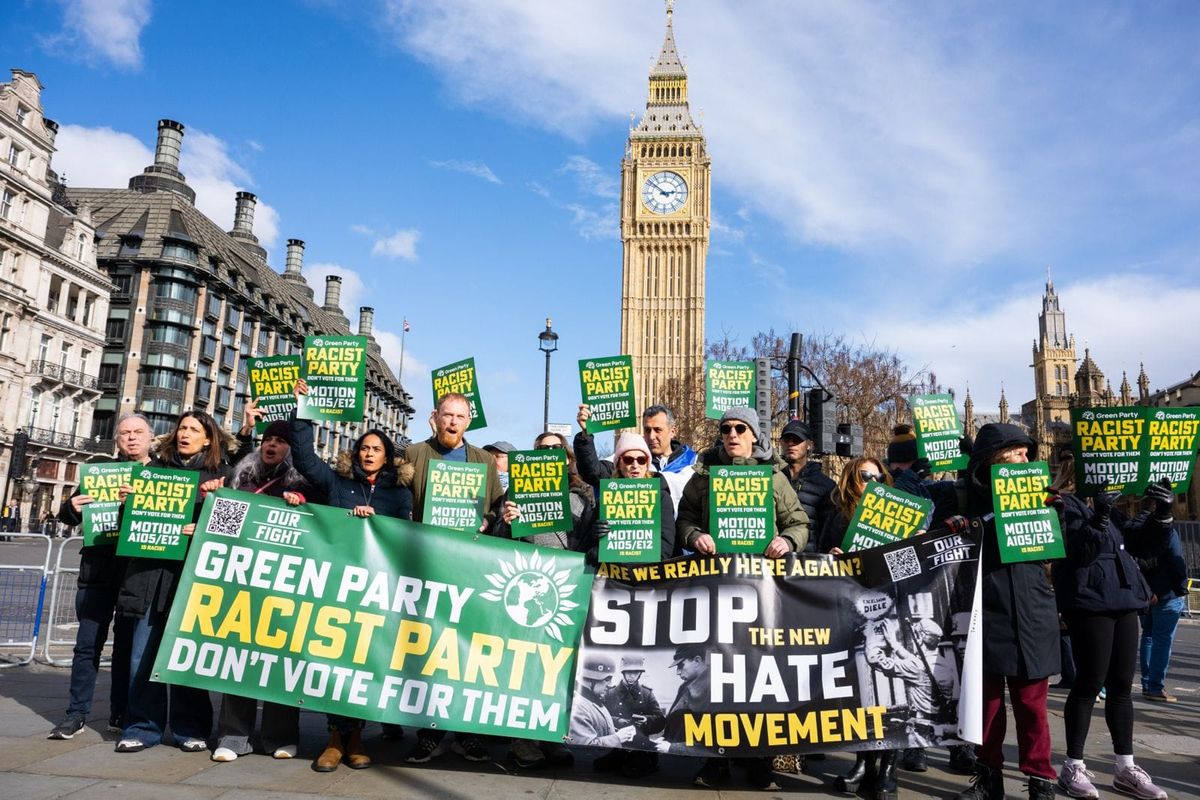
The motion not only places the party in direct opposition to the majority of British Jews—who regard the world's only Jewish state as both an ancestral homeland and a haven from persecution—but also stacks Polanski against his own family. One of them told the Daily Mail that should the conference motion pass it will mean the Greens have become "the most anti-Semitic party in British history since Oswald Mosley's BUF". This is no exaggeration: the motion calls for the destruction of the world's only Jewish state through the use of violence, and accuses anyone who would defend that state of being racist.
 Lorin Bell-Cross
We Fight On
The fascists may have returned, but so have those willing to stand up to them and fight for Britain's Jewish community.
On 4 October, Jewish organisations and their allies will come together in their own bloc on the Unite march. We want the anniversary celebrations and those marching to be faithful to what Cable Street was actually about: standing alongside British Jews against organised anti-Semitism and refusing to allow extremists to intimidate them on the streets of London.
🚨 CABLE STREET: SUNDAY 4 OCTOBER
— OurFightUk (@OurFightUk) September 24, 2026
Join us for the 90th Anniversary Cable Street March.
Cable Street Jews are organising a proud, unapologetically Jewish bloc on the Cable Street anniversary march, and we are honoured to be marching with them.
90 years ago, Jews led the battle… pic.twitter.com/OXfXBnbaWV
This year's march will almost certainly include many activists who are fiercely hostile to Israel and therefore to Jewish safety. And the Green Party discussion that the Jewish state is by definition racist will no doubt embolden them to put pressure on others to act against Israel, too.
But Cable Street belongs to those who stood against anti-Semitism, not to those rewriting its history. If you would like to march with us, then register at the link below.


Further Reading
 Jamie Shapiro