The Holocaust, Jews, and why it matters
After another year in which major broadcasters were unable to inform their viewers of the centrality of the Jews to the Holocaust, Mark Birbeck argues that we are losing an important touchstone — which could lead us to a place from which there is no route back.
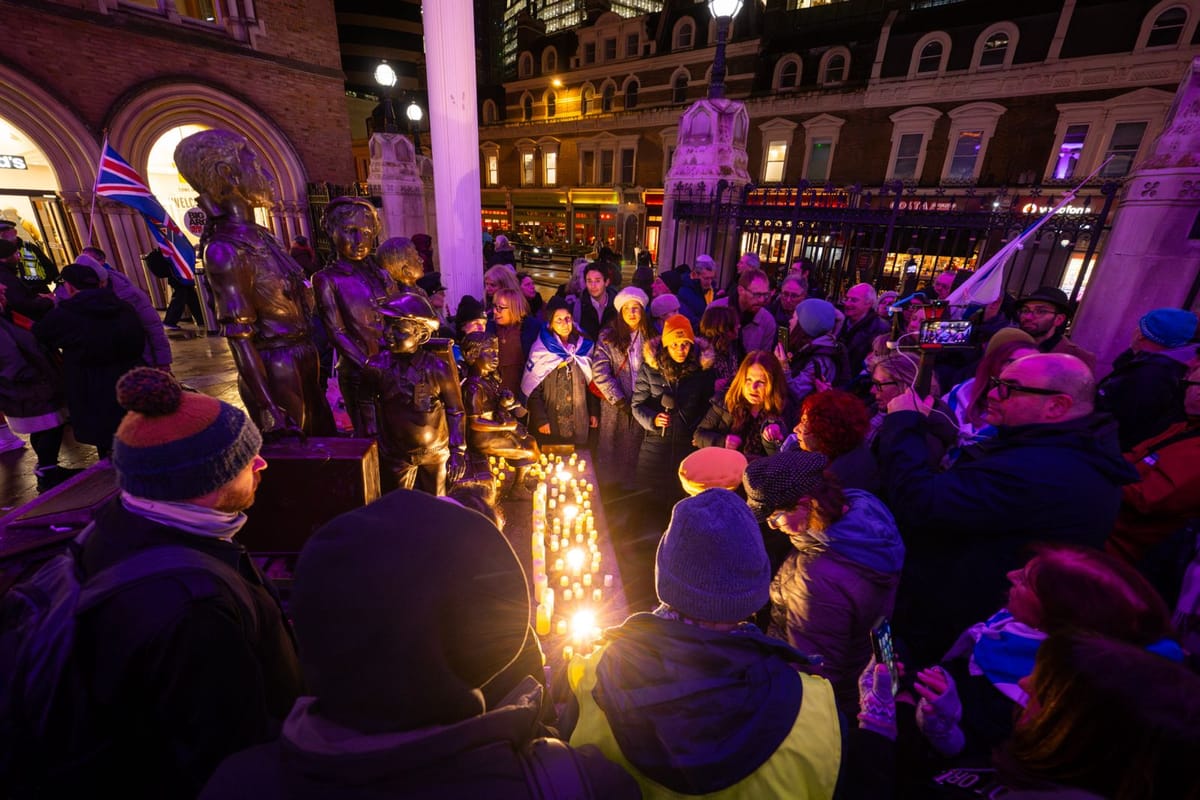
Beneath the Kindertransport Memorial at Liverpool Street Station on Tuesday descendants of Holocaust victims stood to show photos of relatives, share their stories and light a candle. In the background some shouts could be heard from a couple of drunk passers-by.
'England!'
'Eng-er-land!'
In a brief exchange with the young men, it became clear that they felt their slurred speech was free speech — which of course it was. But in their inebriated arrogance they were unable to explain why shouting 'England' at a group of people sharing stories about murdered Jews, could be an expression of one of our country's most precious values.
Another year. Another Holocaust Memorial Day.
BBC apologises (again)
When the BBC issued its apology this week for showing similar disrespect — it failed to put the word 'Jew' in the same sentence as 'six million' during some of its Holocaust Memorial Day broadcasts — it could not claim an alcohol-induced stupor as its defence.
 David Brown, Chief News Correspondent | Kate Mansey, Assistant Editor
But if we're honest, as the 81st anniversary of the liberation of Auschwitz-Birkenau draws to a close, the only surprise is that anyone is surprised; last year it was ITN that had a 'memory lapse' and had to issue an apology, and we can be pretty sure that next year someone else will make the same 'mistake'. The only question for 2027 will be whether they even bother to apologise.
 Mordechai
Historically inaccurate
Disturbingly, beyond this lack of respect, the 'six million people' formulation makes for an embarrassing mess of the facts. A child whose school is no longer interested in commemorating Holocaust Memorial Day may be forgiven such a mistake, but our nationally-funded broadcaster cannot.
 Sir Ephraim Mirvis
If the BBC wishes to talk of 'people' rather than Jews, then the number would need to be around 11 million — homosexuals, communists, Roma, disabled, Soviets and more.


And although the number 'six million' is rapidly becoming the only Holocaust fact that most people know, they at least know that it relates to Jews — murdered because they were Jews.
Six million Jews
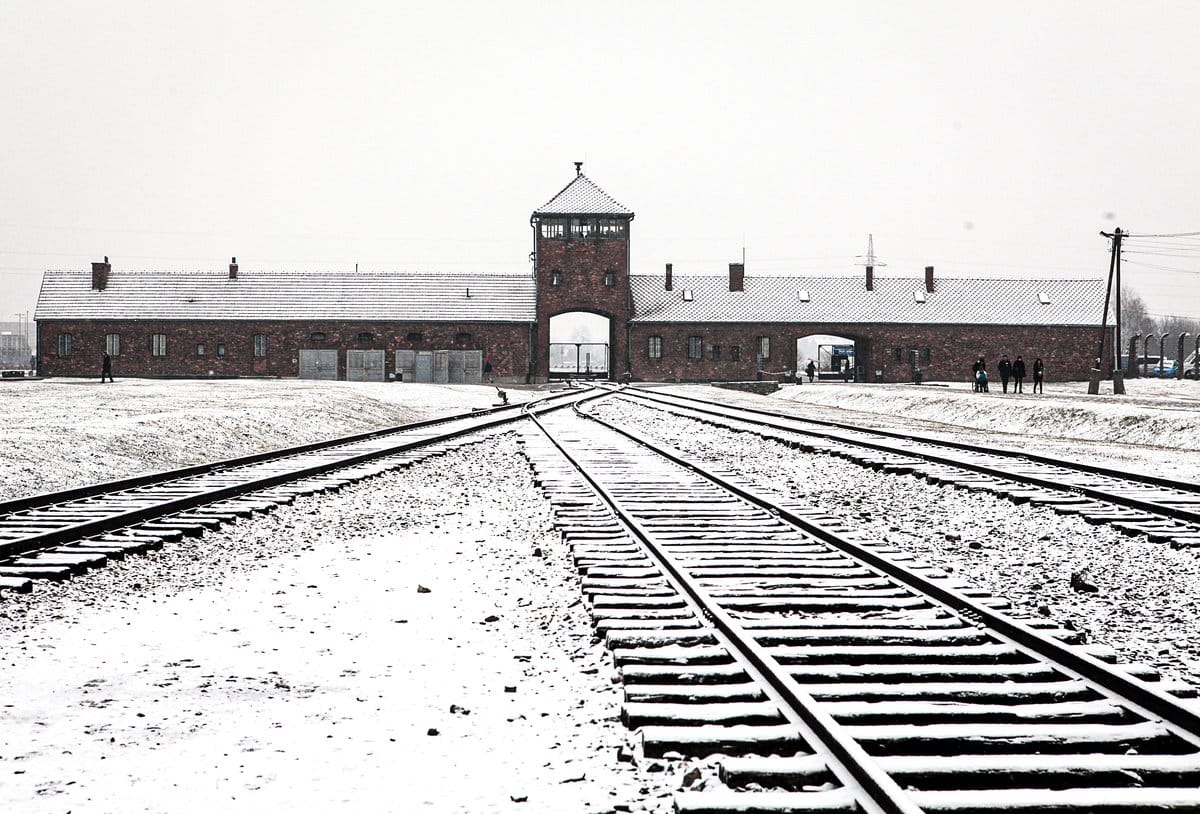
About a decade before Jews were being forced into the gas chambers of Auschwitz-Birkenau, the Nazis were laying the foundations for their barbaric finale.
In 1933 the Nazis implemented boycotts of Jewish businesses, barred Jews from working in the civil service and began the process of stripping Jews of their citizenship. Two years later the Nazis instituted race laws to identify Jews and prevent them from marrying and breeding with 'Aryans'. In the November Pogroms of 1938 — Kristallnacht — Jewish shops were smashed up, synagogues burned to the ground, and Jews murdered and deported. A few years later Jews were driven into ghettos, where many died of starvation and disease, whilst the remaining Jews were deported to death camps. And with enthusiastic local support, the same pattern was repeated across Europe — boycott Jewish businesses, prevent Jews from working, appropriate Jewish property, trap Jews in ghettos where many starved to death, and finally deport those Jews that remained to death camps.
Each of these steps made it easier to kill six million Jews.
So which part of this history do our national broadcasters believe is not about Jews?
Holocaust relativisation
But there is another possibility. Perhaps they do understand the history. Maybe the custodians of our liberal values are well aware of the reality of the Holocaust, and perhaps they know that if the full horror of the Holocaust is acknowledged it might weaken other claims to 'genocide'.
It's certainly true that the more that you learn about the Holocaust, the more clearly is manifest its uniqueness — sui generis as Sir Richard Evans describes it — which in turn renders the use of the term to describe other events either ignorant or malicious.
 EFRAIM ZUROFF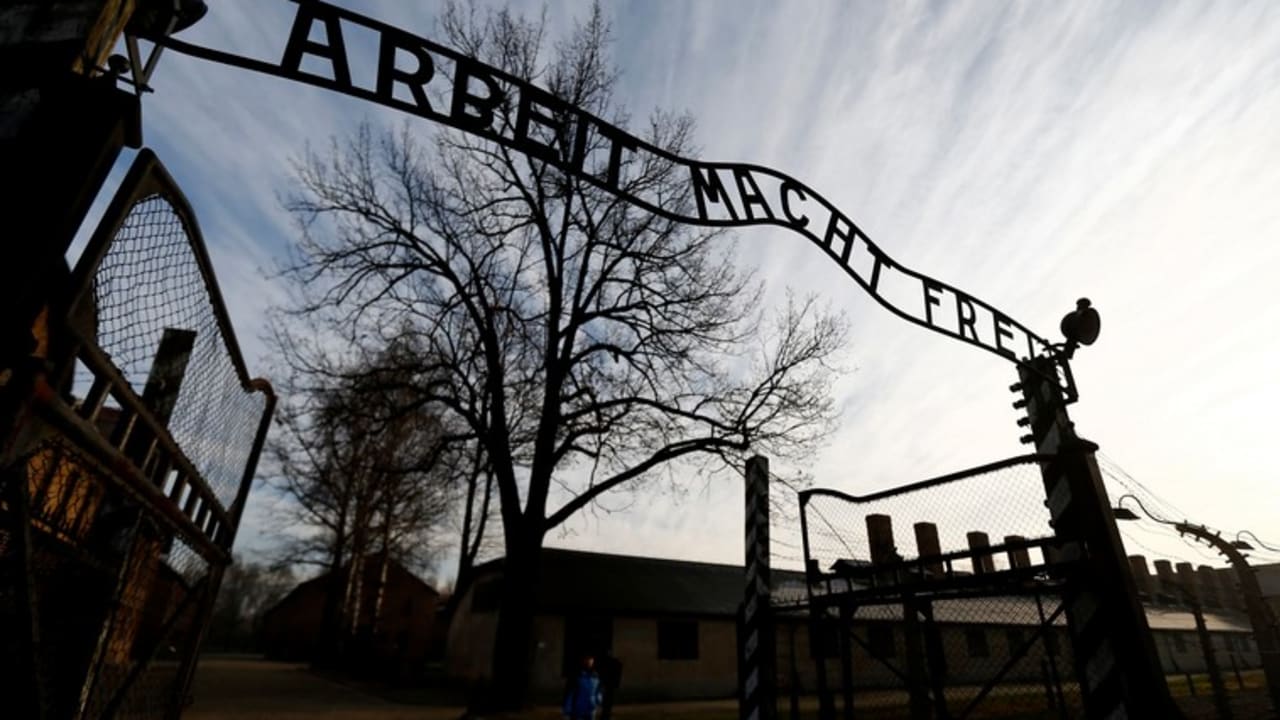
For example: NGOs such as Amnesty International frequently cite a post-October 7th speech by Israeli Prime Minister Benjamin Netanyahu (in which he refers to Amalek), as 'proof' that Israel is 'committing genocide in Gaza'.
 6
6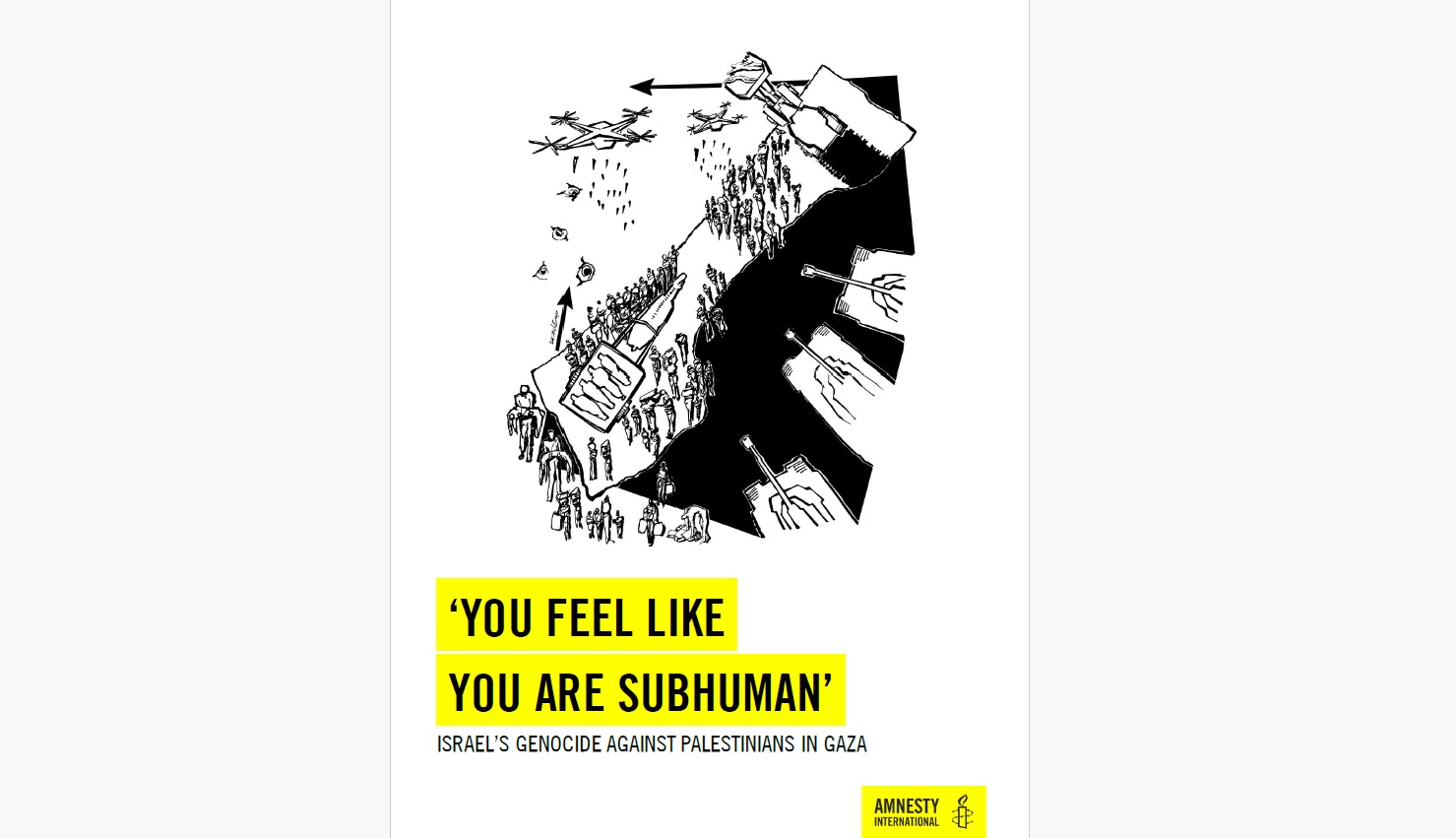
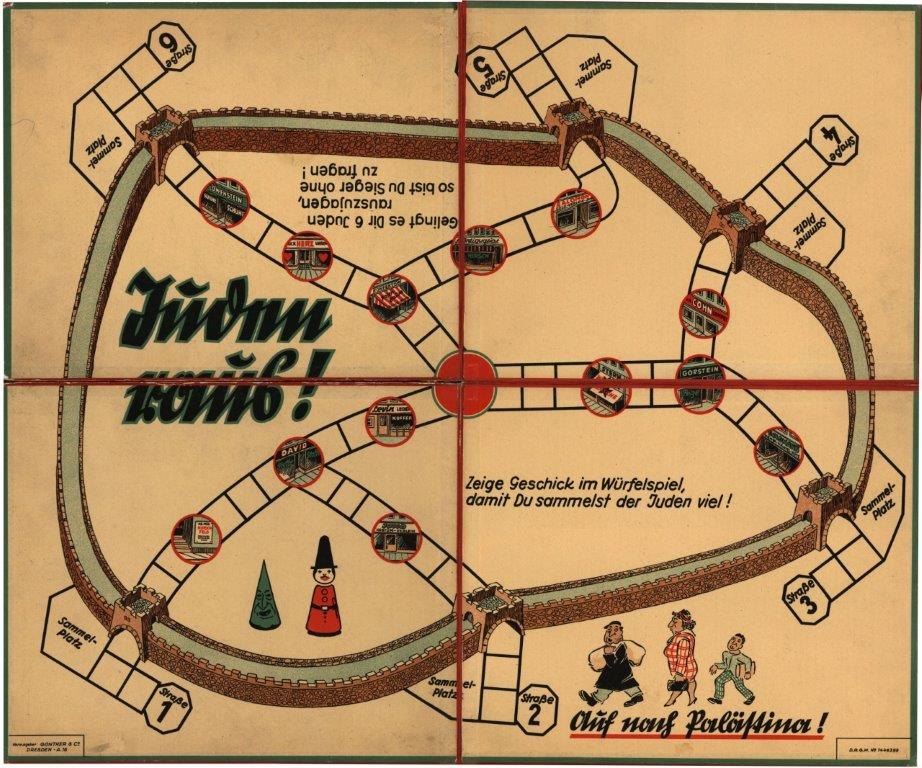
But read for just a few minutes about the Nuremburg Laws, or see the covers of the hundreds of issues of Der Stürmer published weekly from the 1920s through to the end of WWII, or watch grainy black-and-white footage of Hitler speaking at rallies of hundreds of thousands, or stare dumbfounded at children's board games where the theme is to round up Jews and deport them... and suddenly the notion that a single Israeli politician's quote — taken out of context and just a few days after October 7th — could be an indication of an ongoing genocide, seems shockingly deceitful.
Similarly, when we learn that in May and June of 1944, half a million Jews were deported from Budapest to Auschwitz-Birkenau — 434,000 of them to be murdered — it sets in stark contrast that any other killings could be comparable.
Our defence against the profligate use of the word 'genocide' and the consequences of attaching the charge to Israel, is to continually emphasise the reality and scale of the Holocaust.
Anti-Semitism's barbaric consequence
But restoring Jews to the centre of the Holocaust is not only about respect or challenging the distortions of historical fact — although that would be more than enough to justify our anger at the BBC and ITN. Of historic concern is that if we allow Jews to be removed from the narrative of the Holocaust we will lose its most important lesson; that anti-Semitism is the only ideology that could have enabled totalitarianism in Germany, death camps across Europe, and barbarism and war across the globe.
There are those who are happy to see the decline of the West and so are pleased to obscure the role that anti-Semitism plays in civilisation's descent. Perhaps they would even like to hasten the fall. But for the rest of us, if we lose this important touchstone — that totalitarianism, the Holocaust, and global war were the manifestation of the victory of anti-Semitism — we will head ever more rapidly to a place from which there is no route back.
Further Reading
 Dara Horn
 Nicola Woolcock, Education Editor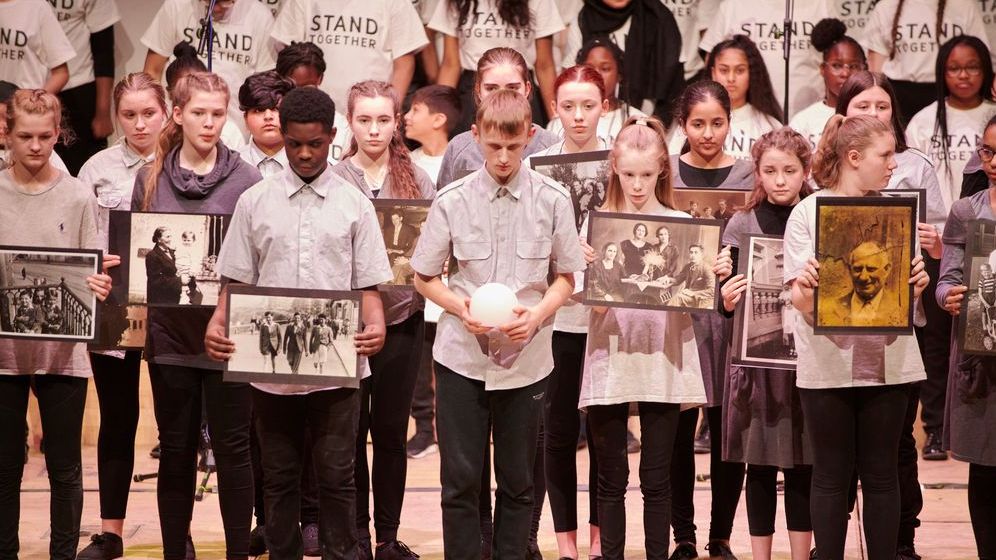
 Our Fight